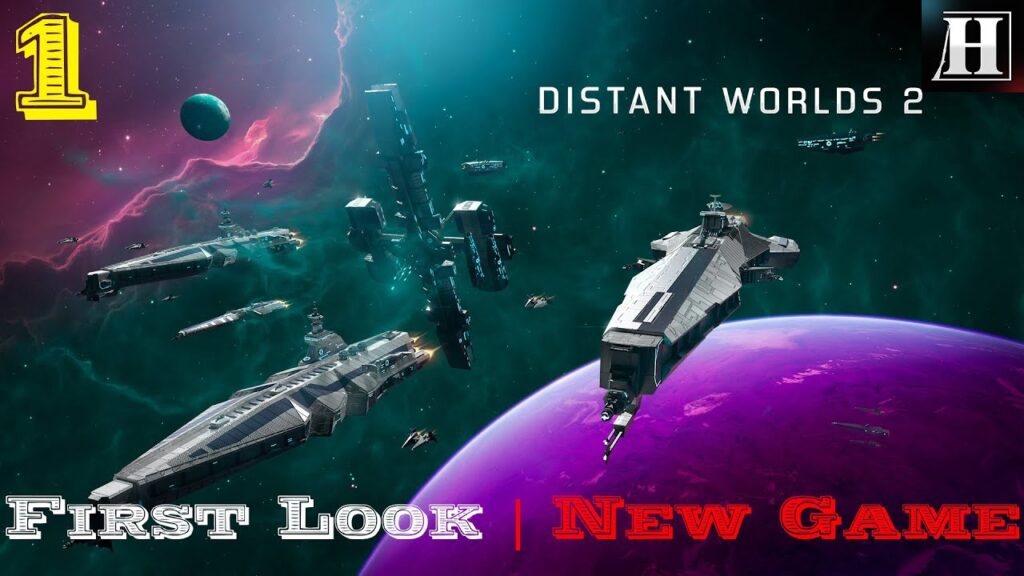
Distant Worlds 2
This level of engagement fosters a sense of ownership among players, who feel their input contributes to shaping the game’s future. Regular updates, patches, and expansions illustrate a commitment to enhancing the overall player experience, further solidifying Distant Worlds 2 as a standout title in the genre 23win.
Gameplay Mechanics and Distant Worlds 2
At the core of Distant Worlds 2 lies a complex web of gameplay mechanics designed to enhance strategic depth while remaining engaging for players. Understanding these dynamics is crucial to mastering the art of galactic empire-building.
Exploration and Discovery
Exploration serves as the lifeblood of Distant Worlds 2. Players are thrust into a sprawling universe filled with uncharted territories, mysterious anomalies, and ancient relics waiting to be discovered.
This process of exploration is intricately woven into the overarching narrative of the game. Each star system offers unique opportunities and challenges, compelling players to adapt their strategies accordingly.
Navigating through nebulas and asteroid fields, players will encounter strange civilizations, hostile pirates, and valuable resources that can tip the balance of power in their favor.
As they explore, players must weigh the risks of venturing into unknown regions against the potential rewards. This constant tension adds layers of excitement and anticipation, encouraging players to take bold steps while remaining strategically cautious.
Diplomacy and Interstellar Relations
Diplomacy is another vital component of the gameplay dynamics in Distant Worlds 2. Forming alliances and negotiating treaties can lead to lucrative partnerships or devastating betrayals.
The diplomatic system is nuanced, allowing players to engage in meaningful interactions with various factions. Engaging with neighbors can unlock trade routes, provide military support, or even lead to the discovery of shared enemies.
However, players must remain vigilant against the ever-shifting tides of galactic politics. Trust can be a fragile commodity, and decisions made earlier in the game can come back to haunt players later on.
Ultimately, the diplomacy system fosters a sense of realism, akin to the complexities of international relations in our own world. This adds depth to the strategic considerations players must navigate, enriching the overall gameplay experience.
Resource Management and Economy
Resource management is at the heart of any successful empire, and in Distant Worlds 2, it takes center stage. Players must balance their economy by allocating resources wisely across different sectors, including research, military, and infrastructure.
Building a thriving economy requires foresight and adaptability. Players will need to strategize on extracting resources from planets and asteroids while investing in technologies that enhance production efficiency.
Moreover, the economy is influenced by external factors, such as market fluctuations, political stability, and even climate conditions on inhabited planets. This dynamic interplay creates a sense of urgency and uncertainty, challenging players to think critically about their economic strategies.
Through careful resource management, players can achieve exponential growth, enabling them to expand their empires and assert dominance over rival factions.
Combat and Military Strategies
Combat in Distant Worlds 2 is fierce and multifaceted, requiring players to develop robust military strategies to protect their interests. Engaging in battles involves not only deploying fleets but also utilizing intelligence and tactical maneuvers.
The game’s combat system offers a variety of ship designs, weapon types, and tactics that can be customized based on the player’s preferences. Whether creating a formidable defensive fleet or a swift offensive strike force, the choices players make can profoundly influence the outcome of engagements.
Moreover, understanding the strengths and weaknesses of different factions is pivotal. Some may excel in technological advancements, while others boast sheer numbers. Adapting to these variations allows for better-informed strategic decisions during conflicts.